Choosing a solid state bass amplifier involves weighing power, tone shaping, and portability. This guide highlights five reliable options that deliver clear low end, dependable performance, and user-friendly controls. Each pick is well-suited for practice, small gigs, or studio work, with features like built-in EQ, overdrive, and versatile input/output options. Below, you’ll find a concise product snapshot and detailed sections to help you compare tone, power, and practicality.
| Product | Brand | Watts | Speaker Size | Key Features |
|---|---|---|---|---|
| Fender Rumble 25 V3 | Fender | 25 | 8″ | Overdrive circuit, contour switch, three-band EQ |
| Fender Rumble 15 V3 | Fender | 15 | 8″ | Overdrive circuit, contour switch, three-band EQ |
| Orange Crush Bass 25 | Orange | 25 | 8″ | Active 3-band EQ, parametric mid, tuner |
| Ampeg Rocket Bass 110 | Ampeg | 50 | 1×10″ | Vintage styling, Super Grit Overdrive |
| Ashdown Studio 10 | Ashdown | 60 | 1×10″ | Passive/Active switch, 5-band EQ, headphone out |
These selections prioritize strong bass response, clear mids, and practical features for practicing at home, rehearsing with others, or recording. Each model offers a different balance of power, portability, and tonal flexibility, so you can pick the one that best matches your musical needs and space constraints.
Fender Rumble 25 V3 Bass Amplifier

The Fender Rumble 25 V3 is a compact 25-watt bass combo with an 8-inch Fender Special Design speaker. It offers a 1/8-inch auxiliary input and a 1/4-inch headphone output, making silent practice easy. A dedicated overdrive circuit and a switchable mid-scoop contour provide a punchy, modern bass tone suitable for practice and small gigs. The three-band EQ lets players tailor low, mid, and high frequencies to suit various basses and genres.
Fender Frontman 20G Guitar Combo Amplifier

Note: This model is geared toward guitar use, not bass. It is included here for reference to similar compact practice amps, but for bass applications consider dedicated bass amps with appropriate speaker size and low-end response. The 20-watt output supports practice and small venues, featuring an auxiliary input and headphone jack for quiet listening, and an 8-inch Fender Special Design speaker for clean tones across styles.
Orange Crush Bass 25
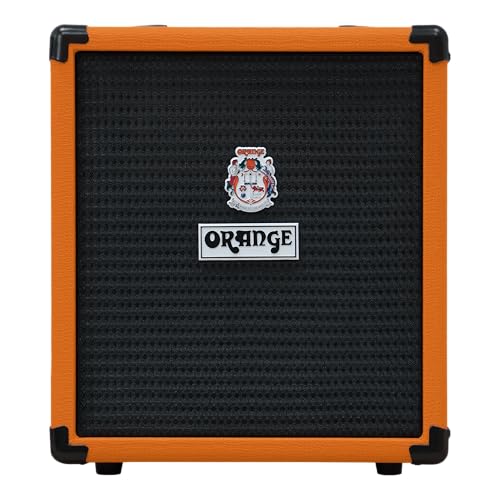
The Orange Crush Bass 25 delivers 25 watts with an 8-inch speaker and a robust tonal toolbox. Its active three-band EQ and a parametric mid control give players precise tonal shaping, while a built-in chromatic tuner aids setup. The amp’s compact footprint makes it a solid choice for practice rooms and small performances where tightened low end and defined mids are important.
Fender Rumble 15 V3 Bass Amp

The Fender Rumble 15 V3 offers 15 watts of bass power and an 8-inch Fender Special Design speaker. Its overdrive circuit and mid-scoop contour switch shape a rich, punchy tone compatible with practice and small gigs. The amp includes a built-in three-band EQ for versatile tone control and a compact cabinet that travels well for rehearsals and travel.
Ampeg Rocket Bass 110

The Ampeg Rocket Bass 110 is a 50-watt, 1×10″ combo designed for the on-the-go bassist. It blends vintage styling with modern functionality, including Super Grit technology for overdrive that preserves tight low-end response. This model is well-suited for small venues, rehearsals, and transportable practice rigs where a punchy, defined bass tone is needed without excess weight.
Ashdown Studio 10

The Ashdown Studio 10 is a 60-watt, 1×10″ bass combo with a solid-state design and a passive/active switch. It features a 5-band EQ and a headphone output, offering flexible tone shaping for studio and stage use. The compact form factor makes it a practical option for players who need a portable solution with a full, controlled bass response.
Buying Guide
Key considerations when choosing a solid state bass amp include wattage, speaker size, and tonal flexibility. For practice at home, smaller models with 15–25 watts and an 8″ speaker are typically sufficient, especially when tone is shaped with a dedicated EQ and overdrive features. For small gigs or rehearsals, aim for 25–60 watts with a 10″ or larger speaker to ensure ample low-end presence without sacrificing portability.
Tone shaping matters: look for a three-band EQ or more, plus mid controls for vocal-like punch or scooped modern tones. Overdrive or distortion circuits can add character, but make sure they stay guitar-friendly and preserve bass clarity. Cab simulations and headphone outputs are helpful for silent practice in shared spaces.
Build quality and reliability should not be overlooked. Brands that offer sturdy construction, consistent power delivery, and easy-to-use controls tend to perform best on the road. Portability is a factor for players who commute to jams or gigs; weigh weight, handle design, and cabinet size against your intended use.
Input/output versatility is another factor: a 1/8″ AUX input supports jam-with-tracks practice, while a 1/4″ DI or line out can connect to a PA or recording interface. Some amplifiers include a dedicated overdrive circuit and contour switch to quickly sculpt mid-range presence, ideal for cutting through a mix at rehearsal or on stage.
For a balanced setup, consider pairing a reliable compact model (like the Fender Rumble 25 V3 or Orange Crush Bass 25) with a higher-output option (such as the Ampeg Rocket Bass 110 or Ashdown Studio 10) for larger spaces. Weight, power needs, and the type of gigs you play all influence the best overall choice.