For reliable, wire-free monitoring, solar powered IP cameras deliver continuous protection with minimal setup. This guide highlights five top options, covering 2K–8K image quality, color night vision, 4G/LTE options, and advanced motion features. Readers will learn what to consider when choosing solar cameras for homes, farms, or remote properties, including weather resistance, storage, and power needs.
Summary of selected products
| Brand | Product | Key Strengths | WiFi/Power |
|---|---|---|---|
| Seeborder | Solar Security Cameras Wireless Outdoor | 2K color night vision, 355° PTZ, IP65 | Solar, Wireless |
| SOLIOM | Security Cameras Wireless Outdoor 8MP | 8MP 4K quality, radar tech, local storage | Solar, 2.4G/5G WiFi |
| SEHMUA | 4G LTE Cellular Solar Security Camera | No WiFi needed, built-in SIM, 360° view | Cellular only |
| Hiseeu | Solar Security Cameras Wireless Outdoor System 8 Cam-Kit | 2K color night vision, expandable to 10 channels | WiFi, Solar |
| Alptop | 100% Wire-Free Solar Powered Outdoor Camera | 360° view, long standby, SD slot | WiFi, Solar |
Seeborder Solar Security Cameras Wireless Outdoor

The Seeborder solar camera provides 2K full HD live video with color night vision, enhancing nighttime readability. It operates cordless through a solar-powered battery system, eliminating wires and enabling flexible installation. A 355° horizontal rotation and 100° vertical tilt offer a broad field of view, complemented by an IP65 waterproof rating for use in diverse weather. The device is designed to withstand extreme temperatures from -4°F to 121°F. Spotlight usage aids color night vision when needed, but viewing color details at night requires manual activation of the spotlight.
SOLIOM Security Cameras Wireless Outdoor

SolIom’s 8MP ultra HD camera delivers crisp day and night imagery, with a 450-lumen spotlight and color night vision up to 26 feet. A built-in radar system helps reduce false alarms by up to 99%, improving notification relevance. The camera comes with 32GB local storage and encrypted recording, with optional expansion to 128GB. There is no monthly fee for basic storage when using SOLIOMbase, and the camera supports dual-band WiFi (5G/2.4G) for flexible placement.
SEHMUA 4G LTE Cellular Solar Security Camera

This cellular security camera operates without WiFi, using a built-in SIM and 32GB memory. It relies on 4G LTE coverage to maintain connectivity and provides a true wireless experience with solar power. A 360° field of view helps cover wide areas, while color night vision and two-way talk support practical remote communication. The initial package includes a SIM card with a 7-day trial, after which optional service plans apply.
Hiseeu Solar Security Cameras Wireless Outdoor System

This solar system offers 2K color night vision across 8 cameras with 360° coverage and remote viewing via a dual-band WiFi setup. A 1TB HDD base station provides long video loops and local storage without ongoing subscriptions. The kit is scalable to more cameras and emphasizes offline monitoring through a base station connected to a TV or display. It supports up to 256GB SD cards for extended storage and is designed for multi-room or farm installations.
Alptop 100% Wire-Free Solar Security Camera
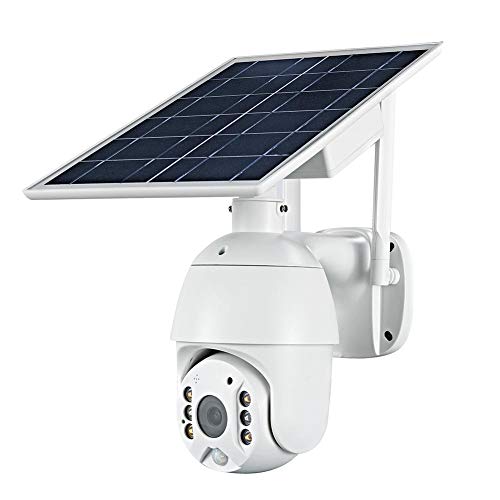
The Alptop camera delivers 1080p color video with a pan/tilt range of 355° and 120° vertical, achieving near-360° coverage. It includes a large 15600mAh battery and a solar panel for continuous operation, supplemented by a microSD slot for local recording up to 64GB. The device supports two-way audio and is designed for easy, wire-free installation in outdoor settings where power access is limited.
Buying Guide: Key Purchase Considerations
- Power and autonomy: Solar cameras rely on sunlight and battery capacity. Look for higher mAh ratings and efficient solar panels to minimize recharging needs during overcast periods.
- Connectivity: Decide between WiFi-based cameras and cellular (4G/5G) options. Cellular models work where WiFi is unreliable or unavailable but may require service plans and data costs.
- Video quality: Higher resolution (2K–8MP) improves detail, but may affect bandwidth and storage. Consider storage options (local vs cloud, expandable memory).
- Field of view and PTZ: A wide horizontal/vertical range reduces blind spots. PTZ cameras offer dynamic viewing but can be more complex to install and operate.
- Night vision: Color night vision is beneficial for identifying details at night, but often requires spotlight activation. Ensure infrared night vision also meets needs in low-light scenarios.
- Weather resistance: Look for at least IP65/IP66 ratings for rain and dust protection. Extreme temperatures can affect battery life and performance.
- Storage and privacy: Local storage is common with no ongoing fees, though cloud options provide off-site backups. Verify encryption and access controls to protect footage.
- Installation footprint: Wireless cameras reduce wiring but require stable mounting points. Assess mounting height, vandal resistance, and cable management for solar panels.
- Subscription considerations: Some models offer free local storage but require paid plans for cloud services or extended storage. Evaluate total cost of ownership over time.
- Scalability: If you need multi-room or multi-property coverage, choose systems that support adding cameras or expanding storage capacity without major upgrades.
When selecting a solar powered IP camera, balance image quality, field of view, and power reliability with installation simplicity. For remote or larger properties, cellular options offer resilient connectivity, while WiFi-enabled kits may provide cost savings for smaller homes. Prioritize devices with robust weather resistance and clear night vision to maintain continuous, around-the-clock security monitoring.