Choosing the right security system control panel is essential for reliable home protection, smart automation, and simple daily use. The options below cover a range of features—from cellular backup and local storage to wireless sensors and voice assistant compatibility. Each panel supports expansion with additional sensors, cameras, and automation routines, helping you tailor protection to your home. The following five picks emphasize no-monthly-fee setups, robust wireless capabilities, and easy installation for American households.
| Product | Brand | Key Strength | Notes |
|---|---|---|---|
| OSI Alarm System for Home Security (Gen 2) 11 piece | OSI Go Direct | Touch screen, motion detection, Alexa compatibility | No monthly fees for app use; optional SIM for SMS alerts |
| PGST Alarm Security System, 13-Piece Kit | PGST | Real-time alerts, 99+ sensors, Wi-Fi and 4G compatibility | No monthly fees; broad sensor support |
| Qolsys IQ Panel 4 | Qolsys | Advanced home automation, Alarm.com integration | Supports many devices; optional professional monitoring |
| Gianteye Security Cameras Kit | Gianteye | 4MP color night vision, solar powered, local storage | Lifetime no subscriptions; Alexa voice control |
| eufy Smart Display E10 | eufy Security | Multi-view live feeds, instant alerts, local playback | Smart home hub with four views on one screen |
Introduction to these top picks focuses on systems that deliver solid security without mandatory ongoing fees, while still offering cloud or local storage options, flexible connectivity, and smart-home integration. The selections also emphasize straightforward setup and broad compatibility with popular smart-home ecosystems like Alexa and Alarm.com.
OSI Alarm System Gen 2 Overview
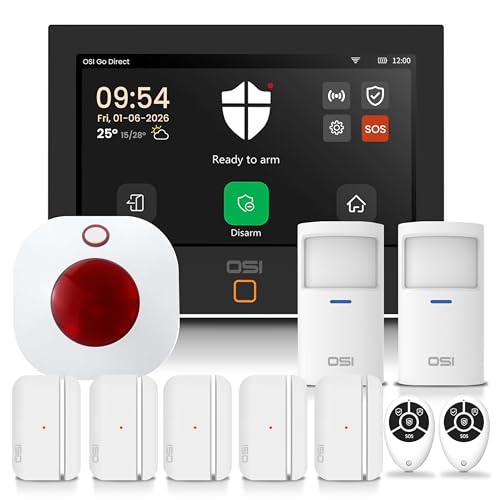
The OSI Gen 2 alarm panel provides a touch-screen interface, motion detection, door/window contacts, wireless siren, and remote control access via a dedicated mobile app. It supports Alexa compatibility and ongoing updates, with no mandatory monthly fees for app use. An optional SIM card can enable SMS alerts, though cellular plans from the provider apply. A built-in interactive setup wizard guides users through configuration to ensure proper alarm functioning and sensor integration.
PGST Alarm Security System Kit

The PGST 13-piece kit includes a control panel, motion sensors, door/window sensors, RFID cards, remotes, a security camera, and a SD card. It supports 2.4 GHz Wi-Fi and 2G/3G/4G networks, enabling real-time alerts via the Smart Life app. It offers no monthly fees for basic monitoring, and can handle hundreds of sensors for comprehensive coverage. Notifications can be delivered immediately through the app, while optional SIM-based calls or texts can be configured for added redundancy in emergencies.
Qolsys IQ Panel 4: Modern Home Security

The IQ Panel 4 supports extensive sensor compatibility and home automation. It is designed for residential and small commercial use, with optional 24/7 professional monitoring, and can integrate with Alarm.com for video, door locks, thermostat control, and lighting management. With support for many wireless devices, the panel helps centralize security and smart home routines in one interface, simplifying daily control and incident response.
Gianteye Wireless Outdoor Kit
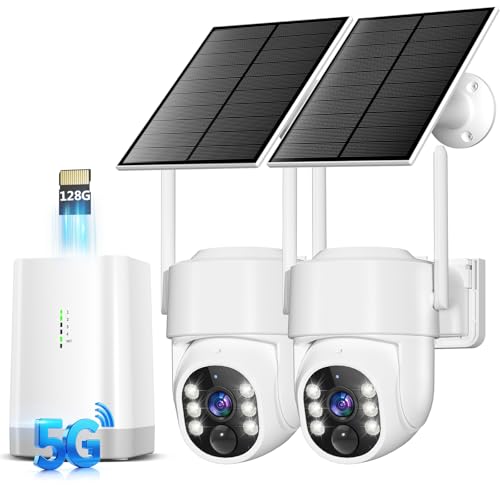
Gianteye’s outdoor kit emphasizes no subscriptions and local storage. The system provides 4MP color night vision, Alexa compatibility, and solar-powered operation with a durable, wire-free setup. Local recording is stored on a Home Hub with lifetime no-subscription protection. Dual-band Wi-Fi support ensures stable connectivity, making it a practical choice for homeowners seeking a low-maintenance, self-contained security solution.
eufy Smart Display E10

The eufy Smart Display E10 doubles as a hub and a control panel, featuring four live feed views on a single screen, instant door alerts, and local playback for quick review of events. It provides hands-free operation and a centralized interface for monitoring cameras, doorbells, and connected devices, enabling streamlined access to critical information without constant app switching.
Buying Guide: Key Purchase Considerations
- Connectivity and backup: Look for panels with Wi-Fi, Bluetooth, and optional cellular backup to maintain alerts during outages. Assess whether SMS alerts via SIM are an essential feature for your location.
- Sensor ecosystem and scalability: Ensure the panel supports a broad range of sensors (doors, windows, motion, cameras) and can scale to cover larger homes or multi-zone properties.
- Smart home integration: Check compatibility with voice assistants (Alexa, Google Assistant) and security ecosystems (Alarm.com, smart scenes) for streamlined automation.
- Local vs cloud storage: Consider whether local storage suffices for your privacy and reliability needs, or if cloud backups add value through remote access and redundancy.
- Monthly fees and subscriptions: Some systems advertise no monthly fees for basic app usage, while others offer optional paid monitoring. Clarify what is truly included and what requires ongoing costs.
- User setup and maintenance: A user-friendly setup wizard, clear manuals, and reliable updates reduce installation time and future maintenance.
- Security and privacy: Review encryption, access controls, and data handling policies, especially for cameras and cloud storage, to protect your privacy.
- Power and installation flexibility: Solar-powered or rechargeable options plus wireless sensor networks simplify installation in challenging spaces or rentals.
- Warranty and support: Favor products with solid warranties and accessible customer support to address hardware failures and software updates.
- Simple, entry-level protection with easy setup and broad device support.
- Mid-range systems offering stronger automation, multi-sensor expansion, and robust app ecosystems.
- Advanced panels that integrate professional monitoring options and comprehensive home automation.
These considerations help compare protection levels, total cost of ownership, and long-term adaptability for growing smart-home setups. When evaluating, map your home layout, number of entry points, and preferred control methods to the panel’s capabilities, ensuring you select a system that remains reliable and scalable as technology and needs evolve.