Finding a Plex-compatible TV tuner is about balancing live TV watching, DVR capabilities, and broad device compatibility. The following picks are popular options that work well with Plex-enabled setups, enabling multi-room streaming, easy recording, and broad device support across Windows, macOS, Android, and more. Each product section includes key features to help you compare performance, DVR options, and compatibility with Plex clients and mobile apps.
Summary of chosen products:
| Product | Brand | Key Benefit | Compatibility |
|---|---|---|---|
| HDHomeRun Flex 4K ATSC 3.0 | SiliconDust | NextGen TV, multi-room, USB DVR option | Android, FireTV, AppleTV, Roku, Windows, macOS |
| HDHomeRun Flex Quatro 4 x ATSC | SiliconDust | Four tuners for simultaneous viewing/recording | Android, FireTV, AppleTV, Roku, Windows, macOS |
| HDHomeRun Flex Duo 2 x ATSC | SiliconDust | Compact dual tuner with streaming | Android, FireTV, AppleTV, Roku, Windows, macOS |
| WinTV-HVR-955Q USB Tuner | Hauppauge | Windows-ready USB tuner with DVR features | Windows PCs, Windows tablets |
| WinTV-DualHD | Hauppauge | Dual ATSC/QAM with easy setup | Windows PCs |
HDHomeRun Flex 4K ATSC 3.0 NextGen TV

The HDHomeRun Flex 4K ATSC 3.0 is designed for whole-home live TV access with NextGen TV capabilities. It supports multi-room, multi-user access, letting family members watch live TV on various devices in different rooms. The device can serve as a central network tuner connected to a USB hard drive for a whole-home DVR setup, though DVR guide data requires an active subscription. Compatibility spans major streaming devices and computer platforms, including Android, FireTV, AppleTV, Roku, Sony devices, Xbox consoles, iPhone, iPad, and Windows/macOS systems. With ATSC 3.0 support, the Flex 4K aims to future-proof local over-the-air broadcasting integration for Plex users who want flexible streaming and recording options across devices.
Key features include: NextGen TV certified, simultaneous viewing on multiple devices, USB DVR support (with paid TV guide), cross-platform compatibility, and a focus on whole-home live TV delivery. When used with Plex, you can index and access recordings from supported clients, offering a familiar media-server experience alongside live channels. For households that want to extend Plex with OTA channels, the Flex 4K provides a solid, scalable option.
Performance considerations: Ensure your network bandwidth is robust enough to support multiple streams; verify Plex server capabilities to transcode or stream at the desired quality; and remember that DVR functionality may require external storage and an active EPG service. Users should also check firmware support for ATSC 3.0 features on their local channels and streaming devices to maximize compatibility.
HDHomeRun Flex Quatro 4 x ATSC Tuners
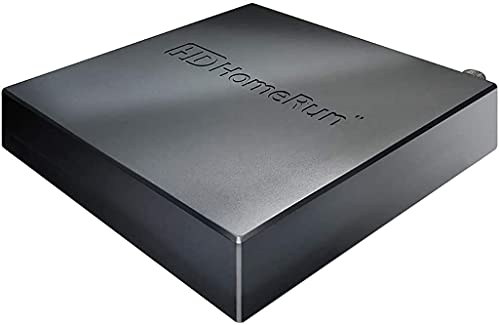
The HDHomeRun Flex Quatro offers four tuners, enabling multiple channels to be viewed or recorded simultaneously across the home network. This makes it a strong choice for larger households or Plex setups with multiple clients, where different rooms require different live channels at the same time. Like other HDHomeRun models, it supports a whole-home DVR via a USB drive (PAID TV guide required for DVR). It maintains broad compatibility with Android, FireTV, AppleTV, Roku, and standard PC platforms such as Windows and macOS, helping Plex users distribute live TV and DVR content through standard media clients.
Considerations for Plex integration include ensuring your Plex server can index and present live TV streams and recordings from the HDHomeRun device. The Quatro’s additional tuners improve scheduling flexibility and reduce conflicts when multiple users request recordings concurrently. Net storage performance and network stability will influence how smoothly multiple clients can watch or record streams simultaneously.
In practice, users benefit from setting up channel organization, grouping channels by family preferences, and leveraging Plex’s tuning and DVR capabilities to create a cohesive living-room and bedroom viewing experience. Firmware updates from SiliconDust typically address device reliability and feature enhancements, so keeping the device current is recommended for best Plex compatibility.
HDHomeRun Flex Duo 2 x ATSC Tuners
The HDHomeRun Flex Duo provides a compact dual-tuner solution that fits smaller setups while still enabling multi-room access via a home network. It supports live TV streaming to a variety of devices and can be combined with USB DVR storage for archiving programs, though DVR services require a paid guide. Its wide compatibility with Android, FireTV, AppleTV, Roku, and major computer platforms ensures Plex users can access and manage live channels across devices with relative ease.
For Plex users, the Flex Duo offers a balance between physical footprint and multi-device reach. It can be an attractive option for apartments or secondary rooms, where a full four-tuner setup would be excessive. As with other HDHomeRun models, network performance and Plex server configuration determine how smoothly live TV and recordings are distributed to clients. It’s advisable to organize channels and optimize Plex’s tuning features to minimize buffering and ensure responsive playback across devices.
Setup tips include connecting a fast USB drive for DVR, enabling remote access in Plex, and ensuring your router supports adequate upload/download speeds to support multiple concurrent streams. Regular firmware checks help maintain compatibility with Plex clients and streaming devices in evolving home networks.
WinTV-HVR-955Q USB TV Tuner For Notebook
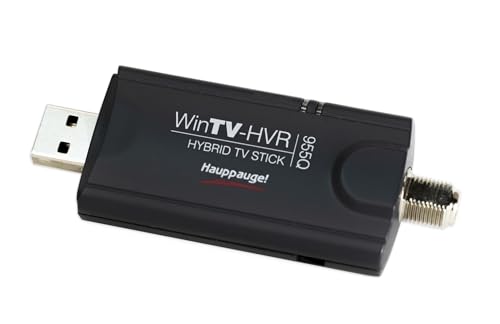
The WinTV-HVR-955Q is a USB TV tuner designed for Windows laptops and desktops. It comes with the WinTV v10 software that allows watching TV in a window or full screen, with pause functionality and the ability to schedule recordings. This makes it a practical option for standalone Plex setups where a dedicated DVR is not required across multiple rooms. While it excels in portability and ease of use on Windows devices, it lacks some of the multi-room network features of larger ATSC tuners and may be best for single-device setups or smaller Plex installations.
Key considerations for Plex users include the software ecosystem and how recordings or live streams are consolidated within Plex. The WinTV v10 software can complement Plex by providing a stable local tuner experience, but cross-device streaming depends on network sharing and Plex’s own live TV features. Compatibility with Windows-based Plex clients is straightforward, though you should confirm support for your specific Windows version and any required codecs or drivers.
WinTV-DualHD Dual USB 2.0 HD TV Tuner
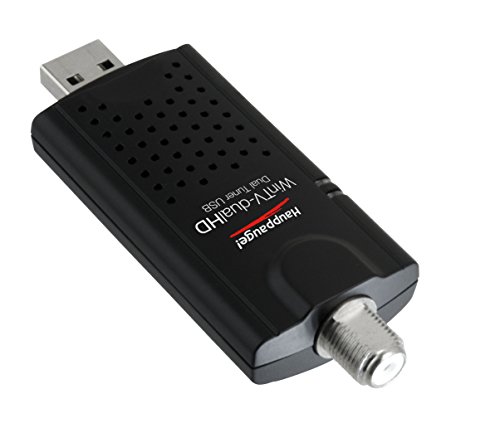
The WinTV-DualHD provides two built-in ATSC/QAM tuners and is targeted at Windows PC users who want to watch one channel while recording another, or run picture-in-picture across two windows. This dual-tuner approach is well-suited for single PC setups where Plex is used alongside local playback and DVR functions, though it does not offer the same networked multi-room capabilities as some HDHomeRun models. This makes it a good fit for users who prioritize dual-channel recording on a primary PC with straightforward USB connectivity.
When integrating with Plex, assess whether you need multi-user live TV access across devices. If so, the WinTV-DualHD can be paired with Plex’s own Live TV features and DVR options on the Windows host. Keep in mind the need for a suitable hard drive for DVR storage and the bandwidth required for streaming across your network. Regular software updates for WinTV v10 help maintain compatibility with Windows updates and Plex client devices.
WinTV-DualHD for Nvidia Shield and Windows PC
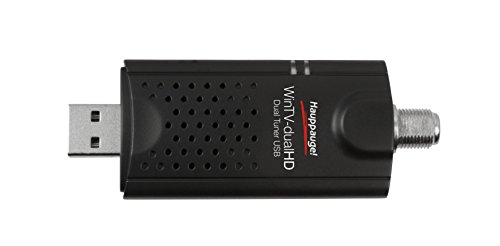
This variant of the WinTV-DualHD is designed to work with Nvidia Shield devices as well as Windows PCs, enabling a broad range of Plex clients to access live TV and recordings. The dual built-in ATSC/QAM tuners allow flexible scheduling and simultaneous viewing or recording across devices. The WinTV v10 software remains a central element for Windows usage, while Shield compatibility helps expand Plex ecosystem versatility for Android TV setups and living-room streaming.
For Plex users, the combination of Shield support and Windows compatibility means versatile client access across platforms. Ensure your Shield and Plex server configurations match the streaming quality you want, and verify that your local network supports the bandwidth needed for multiple streams and DVR operations if you plan to record and distribute live TV to several clients. Firmware and driver updates on both Shield and PC improve stability and compatibility.
Buying Guide: Plex-Compatible TV Tuners
- Device coverage: If you need multi-room, networked streaming, prioritize network tuners like HDHomeRun models. For single-PC usage, USB tuners from Hauppauge offer solid performance with straightforward software.
- Tuner count: More tuners support more concurrent channels and recordings. Quatro models are ideal for busy households; Duo or single tuners work well for compact setups.
- DVR options: Some tuners require a USB drive and an active guide service for DVR. Consider your willingness to pay for guide data and the storage capacity you need.
- Software ecosystem: Windows-based tuners (WinTV) integrate with Plex differently than network tuners. Check Plex Live TV compatibility and how recordings are indexed in your library.
- Compatibility and apps: Ensure the tuner supports your preferred devices (Android, iOS, Apple TV, Fire TV, Roku) and your Plex clients. ATSC 3.0 readiness helps future-proof OTA viewing where available.
- Network performance: For multi-device streaming, a capable router and sufficient NAS or USB DVR storage speed are important to minimize buffering and ensure smooth playback.
- Storage strategy: If you plan DVR, decide between local USB storage or network-attached storage and confirm bandwidth for simultaneous read/write operations.
- Firmware and updates: Regular updates can improve compatibility with Plex clients and add features or bug fixes. Check support forums for user experiences with Plex.
- Budget and scalability: Start with a model that fits your current needs and room for future growth. Network tuners scale out more easily than USB tuners for larger homes.