Choosing the right studio microphone is essential for achieving broadcast-quality sound across podcasts, streaming, music recording, and voice-overs. This guide highlights five top USB and XLR condenser and dynamic microphones that deliver clean detail, low noise, and flexible connectivity for American creators. Each option balances build quality, sound characteristics, and ease of use, whether you’re streaming on PC, recording at home, or producing content on the go. Compare features, patterns, and compatibility to find the best fit for your setup.
| Product | Brand |
|---|---|
| Logitech Creators Blue Yeti USB Microphone | Logitech for Creators |
| MAONO XLR/USB Condenser Microphone A04 Gen2 | MAONO |
| MAONO PM500 XLR Condenser Microphone | MAONO |
| RØDE NT1 5th Generation | Rode |
| FIFINE Studio Condenser USB Microphone T669 | FIFINE |
Logitech Creators Blue Yeti USB Microphone

The Blue Yeti, licensed under Logitech for Creators, uses a four-capsule, multi-pattern design that supports cardioid, omni, bidirectional, and stereo pickup. This USB microphone is built for versatility across gaming, streaming, podcasts, YouTube, and Zoom calls. Onboard controls include headphone volume, pattern selection, instant mute, and mic gain, providing hands-on management for live recording and streaming. The Yeti’s broadcast-quality sound makes it a staple for creators who want plug-and-play operation with strong off-axis rejection and flexible recording options.
MAONO XLR/USB Condenser Microphone A04 Gen2

The MAONO A04 Gen2 merges USB and XLR connectivity for maximum flexibility in home studios and on-the-go setups. With a professional-grade sound chipset and a 192kHz/24-bit sampling rate, it delivers studio-quality recordings for podcasts, vocals, and YouTube content. USB mode offers ready-for-recording simplicity, while XLR mode supports interfaces and mixers with phantom power. The included software and scene presets help tailor tone, gain, and noise reduction to the recording context, making it a versatile choice for creators seeking growth across formats.
MAONO PM500 XLR Condenser Microphone
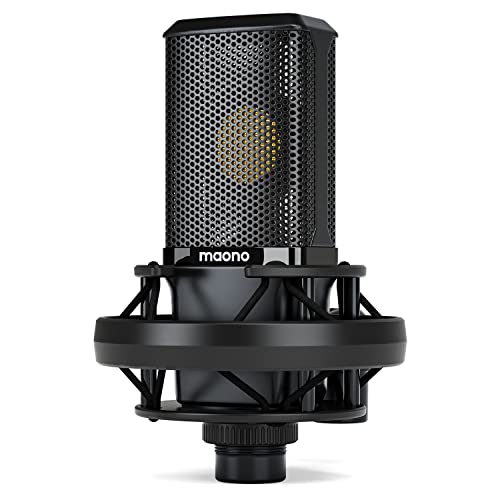
The PM500 features a 34mm large-diaphragm condenser capsule and a cardioid pickup pattern, delivering a warm, detailed vocal and instrument capture with a broad dynamic range. It requires 48V phantom power and an external interface or mixer for XLR operation, offering a professional-grade path for studio recording, podcasts, and streaming. The PM500 excels at reducing off-axis noise while preserving clarity, making it suitable for home studios seeking a high-quality, traditional vocal sound with robust SPL handling.
RØDE NT1 5th Generation

The NT1 5th Generation combines the classic RØDE warmth with next-generation technology, offering ultra-low self-noise and high SPL handling. It is suitable for a broad range of applications, including voiceovers, acoustic instruments, guitars, and piano. The mic can connect via XLR to an audio interface or through USB for direct computer recording, creating a flexible all-in-one solution. Its resilient build and refined high-end detail make it a favored choice for studios seeking a sensitive yet forgiving microphone for critical listening environments.
FIFINE T669 Studio Condenser USB Microphone

The FIFINE T669 bundles USB convenience with a durable metal body and a cardioid pickup pattern to minimize background noise. It includes a mute switch, headphone monitoring, and volume control, making it suitable for podcasts, streams, and voice recordings. The kit is designed for straightforward plug-and-play use on Windows or Mac, and the USB output helps deliver clear sound quickly for creators who value simplicity without sacrificing quality.
Buying Guide: Key Purchase Considerations
- Connectivity: USB mics are plug-and-play and ideal for beginners or quick setups; XLR mics require an audio interface but often offer superior preamps and control over gain and processing.
- Pickup Pattern: Cardioid mics are best for single-speaker setups; multi-pattern mics give flexibility for interviews or group vocals. Consider how you’ll position the mic and whether you need ambient capture.
- Self-Noise and SPL Handling: Low self-noise is crucial for voice work; high SPL handling suits loud sources like amplified instruments. Match these specs to your recording needs.
- Frequency Response: A broader, flatter response captures a natural vocal tone; tailored responses can emphasize warmth or brightness based on genre.
- Phantom Power and Accessories: XLR mics usually require phantom power; many USB mics include integrated monitoring and gain controls. Check included accessories like stands, shock mounts, or cables.
- Software and Ecosystem: Some mics ship with companion software for tone shaping; consider how software compatibility fits your editing workflow and DAW.
- Durability and Build: Metal chassis and robust capsules resist daily use; consider mic mounts and boom arms for desk setups or space constraints.
- Use Case Fit: Streaming, podcasting, voice work, and music recording all have distinct tonal preferences. A mic with a balanced sound and quiet preamps typically performs well across tasks.
In summary, the Logitech Blue Yeti offers versatile USB patterns for varied content; MAONO options provide flexible USB/XLR configurations; the RØDE NT1 and NT-USB+ deliver prestige and high-fidelity performance; FIFINE models emphasize value with practical features. Depending on whether you prioritize ease of use, expandability, or studio-grade capture, one of these microphones can elevate your recording quality across home studios and professional setups.