For indoor pest control using frequency-conversion ultrasound, compare the listed devices by coverage claims, number of units, frequency range, and setup. The 2026 Repellent model is best for shoppers prioritizing stated coverage, while the Neatmaster four-pack gives room-by-room placement guidance. The six-pack options suit buyers who want several plug-in units. These products’ features and performance statements come from their listings; they are not a substitute for sealing entry points or addressing an established infestation.
| Product | Best suited for | Notable listed feature |
|---|---|---|
| 2026 Upgraded Ultrasonic Repellet | Buyers comparing stated coverage | Claims coverage up to 1,600 square feet |
| Neatmaster 4-Pack | Multiple rooms or open areas | Suggests 800–1,200 square feet per unit |
| SUCGLES 6-Pack | Frequency-range comparison | Lists a 22–65 kHz range |
| Upgraded Ultrasonic Repeller 6-Pack | Buyers seeking variable-frequency operation | Claims 60 wave segments per second |
| Jqely 10-Pack | Buyers wanting selectable modes | Three frequency modes |
2026 Upgraded Ultrasonic Repellet
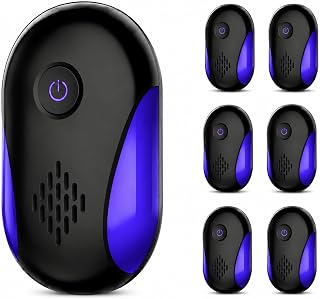
Best for: Buyers who want a single-device option with a stated coverage figure. The listing describes frequency-converting waves, 3D dual speakers, and 360-degree sound, and claims coverage up to 1,600 square feet. It also describes the device as silent during operation.
It was selected because its listing gives a specific coverage claim and explains its speaker design, making it easier to compare with products that omit coverage details. Treat the square-foot figure as a product claim, not a guarantee for every room layout. The listing does not explain how walls, furniture, or room shape affect its stated coverage.
Neatmaster Ultrasonic Repeller 4-Pack

Best for: Buyers who want several units and room-by-room placement guidance. The listing estimates 800–1,200 square feet of coverage per unit in an open area and recommends one device per room or major open space. Setup involves plugging the unit into a standard outlet; a beep and pulsing blue light indicate operation.
This four-pack was selected for its practical placement guidance and disclosed expectations: the listing says results may take two to four weeks and that activity may temporarily increase during the first one to two weeks. A key limitation is that ultrasonic waves do not pass through walls or solid furniture, so a single unit may not cover an entire home.
SUCGLES Frequency-Conversion 6-Pack

Best for: Buyers comparing stated frequency ranges across multiple units. SUCGLES lists intelligent frequency conversion from 22 kHz to 65 kHz and describes use against rodents, roaches, ants, spiders, and other insects. The listing recommends continued use and says results may take one to four weeks, depending on the situation.
It was selected for the clearly stated frequency range and six-unit quantity. Choose this if you want multiple plug-ins and a product listing that provides a range rather than only describing frequency conversion generally. The listing does not provide a square-foot coverage estimate, so buyers should not assume one unit covers a whole home.
Upgraded Ultrasonic Repeller 6-Pack
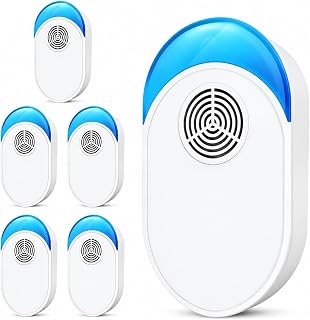
Best for: Buyers interested in a variable-frequency claim and a six-unit set. The listing says a micro-sensing chip delivers 60 variable ultrasonic wave segments per second. It also describes plug-in operation and silent use, and lists pests such as mosquitoes, mice, roaches, ants, and spiders.
This model was selected because its listing gives a specific operating detail—60 wave segments per second—rather than only using a general frequency-conversion description. The listing does not state a coverage area or a timeframe for results. Its claims about effectiveness and safety should be treated as manufacturer statements, not independently verified outcomes.
Jqely 3-Mode Ultrasonic Repeller 10-Pack

Best for: Buyers who want selectable modes and a larger unit count. The listing describes three modes: blue for mosquitoes, gnats, and fruit flies; yellow for ants, cockroaches, and spiders; and red for rats, mice, and larger bugs. Its stated frequency ranges overlap, spanning 10–65 kHz across the modes.
It was selected for buyers who prefer choosing a mode based on the pest they are targeting. The listing notes that red mode may make slight noise and recommends using it when people and pets are not indoors. It does not provide a coverage estimate, so placement should be planned around individual rooms rather than an assumed whole-home range.
Buying Guide: How To Compare Frequency-Conversion Repellers
How much coverage do you need?
Compare stated coverage carefully. Only some listings provide a square-foot estimate, and those figures may depend on an open layout. Sound does not pass through walls or solid furniture according to the Neatmaster listing, so separate rooms may need separate devices. Check the product instructions for placement guidance.
Do frequency range and modes matter?
A broader listed frequency range or multiple modes can help distinguish products on paper, but the figures alone do not establish effectiveness. If you want pest-specific settings, compare the mode descriptions on the Jqely model. If you prefer a general variable-frequency device, compare the claims from SUCGLES and the six-pack model.
Should you expect immediate results?
At least one listing advises allowing several weeks, and outcomes may vary. Keep food sealed, remove standing water, reduce clutter, and close likely entry points while monitoring activity. For a persistent or serious infestation, consider a licensed pest-control professional rather than relying on an electronic repeller alone.
What should you check before buying?
Confirm the number of units, outlet access, room layout, any stated noise or indicator behavior, and whether the listing gives a coverage estimate. Treat claims such as “safe,” “silent,” or “effective” as seller-provided descriptions unless independently verified.
Frequently Asked Questions
What does frequency conversion mean in an ultrasonic repeller?
It describes changing or varying the ultrasonic output rather than using only one fixed frequency. Product listings may explain this feature differently, so compare the specific range or operating details provided.
Can one plug-in repeller cover a whole house?
Not necessarily. Coverage depends on the product’s stated range and the home’s layout. Sound may be obstructed by walls and furniture, making multiple units more suitable for separate rooms.
How long might an ultrasonic repeller take to work?
There is no universal timeframe in the supplied product information. The Neatmaster listing says users may notice fewer pests within two to four weeks; other listings also advise allowing time for results.
Are these products a replacement for traps or pest-control service?
They should not be treated as a guaranteed replacement. Use sanitation and exclusion measures, and seek professional help for a persistent infestation or pests that pose a health or property risk.
Are ultrasonic repellers silent?
Several listings describe silent operation, but the Jqely listing warns that its red mode may make slight noise. Check the specific product description and instructions before placing a unit in a bedroom or quiet space.