Gen 5 NVMe M.2 SSDs deliver the latest PCIe 5.0 speeds for gaming, content creation, and demanding workloads. This guide highlights five top Gen 5 options, covering high sequential read/write performance, power efficiency, thermal design, and value across different capacities. Each pick is evaluated on raw speed, sustained performance, cooling features, and practical use cases like AI, video editing, and heavy multitasking. Read on to compare standout Gen 5 SSDs from trusted brands and find the best fit for a modern PC build or laptop upgrade.
| Product | Brand | Capacity | Peak Speeds |
|---|---|---|---|
| WD Black SN8100 2TB | Sandisk | 2TB | Read 14,900 MB/s; Write 11,000 MB/s |
| Kingston Fury Renegade G5 1TB | Kingston | 1TB | Up to 14,800 MB/s read; 14,000 MB/s write |
| Corsair MP700 Elite 2TB | Corsair | 2TB | Up to 10,000 MB/s read; 8,500 MB/s write |
| Crucial T710 4TB | Crucial | 4TB | Up to 14,900 MB/s read; 13,800 MB/s write |
| Six NVMe X15000 1TB | SIX | 1TB | Up to 14,356 MB/s read; 13,662 MB/s write |
id=”wd-black-sn8100-2tb”>WD Black SN8100 2TB NVMe SSD

Brand: Sandisk. Capacity: 2TB. Form factor: M.2 2280. Interface: PCIe Gen 5.0 x4. The SN8100 series focuses on raw speed and efficiency, making it suitable for AI workloads, high-end gaming, and video editing. This variant emphasizes high sequential read speeds up to 14,900 MB/s and competitive sustained performance, with improved power efficiency to reduce thermal and power concerns during long sessions. A heatsink option is available in other SKUs for sustained workloads.
id=”wd-black-sn8100-2tb-heatsink”>WD Black SN8100 2TB With Heatsink
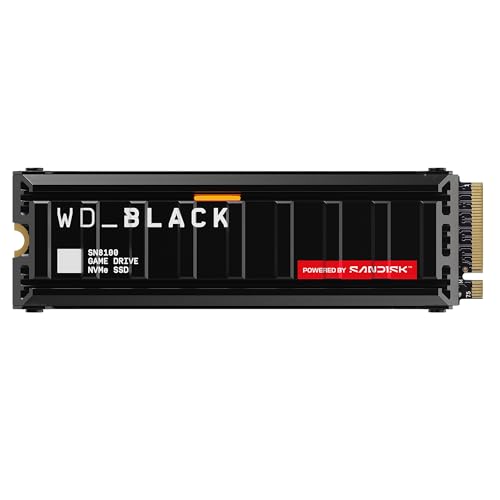
Brand: Sandisk. This version combines PCIe Gen 5 speeds with a custom heatsink to extend sustained performance under heavy workloads. It targets enthusiasts and professionals who run long gaming sessions, live streaming, or content rendering, reducing thermal throttling and maintaining peak throughput longer.
id=”kingston-fury-renegade-g5-1tb”>Kingston Fury Renegade G5 1TB

Brand: Kingston. Capacity: 1TB. PCIe 5.0 x4 interface delivers high sequential throughput, with listed read speeds near 14,800 MB/s and write speeds around 14,000 MB/s. The module emphasizes next-generation gaming and content creation performance, backed by a robust thermal design and energy efficiency considerations to sustain performance in demanding builds.
id=”corsair-mp700-elite-2tb”>Corsair MP700 Elite 2TB

Brand: Corsair. Capacity: 2TB. Gen5 storage performance with up to 10,000 MB/s read and 8,500 MB/s write. The MP700 Elite is designed for fast system boots, rapid game loads, and high-demand multimedia tasks. It uses high-density 3D TLC NAND to balance speed and endurance and is compatible with DirectStorage-enabled setups for faster loading paths in Windows.
id=”crucial-t710-4tb”>Crucial T710 4TB

Brand: Crucial. Capacity: 4TB. PCIe Gen5 performance with up to 14,900 MB/s read and 13,800 MB/s write. The T710 targets creatives and hardcore gamers who need mass storage with Gen5 throughput, supporting large asset libraries and fast project workflows. It emphasizes compatibility with Intel 13th/14th Gen and AMD Ryzen 7000 systems in M.2 2280 Gen5 slots, providing platform-optimized performance.
id=”six-nvme-x15000-1tb”>Six NVMe X15000 1TB

Brand: SIX. Capacity: 1TB. PCIe Gen5.0 x4, with sequential speeds around 14,356 MB/s read and 13,662 MB/s write. The X15000 series focuses on high-end performance with strong random access and heat management features, suitable for demanding gaming, content creation, and multi-drive configurations where peak throughput is needed without significant bottlenecks.
Buying Guide
- Performance targets: If you need the fastest possible sequential speeds, prioritize drives advertised near 14,900 MB/s read and similar write figures. For sustained workloads, check endurance and thermal design details such as heatsinks or advanced controllers.
- Power and cooling: Gen5 SSDs can run hot under heavy gaming or rendering. Heatsinked variants or drives with robust thermal throttling mitigation help maintain peak performance longer.
- Capacity planning: Higher capacities often provide better sustained performance and more write endurance. Choose an option that aligns with your library size, game collection, or video project scale.
- System compatibility: Verify your motherboard or laptop supports PCIe 5.0 x4 and M.2 2280. Some motherboards require BIOS updates or specific slots to achieve peak Gen5 speeds.
- Use case fit: For gaming-only systems, ultra-fast reads reduce load times. For content creators, consider drives with higher sustained write performance and larger cache to handle video timelines and assets.
- Future-proofing: If you plan expansions or faster builds in the near term, Gen5 drives provide a smoother upgrade path, but ensure you have adequate PCIe lanes and cooling to avoid bottlenecks.
- Warranty and reliability: Check warranty terms and brand reliability. Longer warranties often reflect confidence in endurance under continuous use.