Choosing a bass multi-effects processor can open new tones, reduce gear clutter, and streamline live or studio setups. This guide highlights five leading options, covering versatile tone engines, built-in amps, looper features, and ease of use for both beginners and seasoned players. Each product section links directly to Amazon for quick reference and comparison.
| Product | Brand | Key Strength |
|---|---|---|
| Zoom B1X Four Bass Multi-Effects Processor | Zoom | Extensive pedalboard-style effects with 30-second looper |
| BOSS GT-1B | BOSS | Compact, budget-friendly, bass-optimized tone engine |
| Zoom B6 Bass Multi-Effects Processor | Zoom | 4 DI boxes, touchscreen, 100+ effects |
| Zoom B1 Four Bass Multi-Effects Processor | Zoom | 70+ effects, global tone controls, 5 simultaneous effects |
| BOSS ME-90B Bass Multi-Effects | BOSS | All-in-one with premium BOSS amps and effects |
The selections below are organized to help you compare core features, sound shaping capabilities, and practical use cases—from compact practice rigs to stage-ready setups.
Zoom B1X Four Bass Multi-Effects Processor
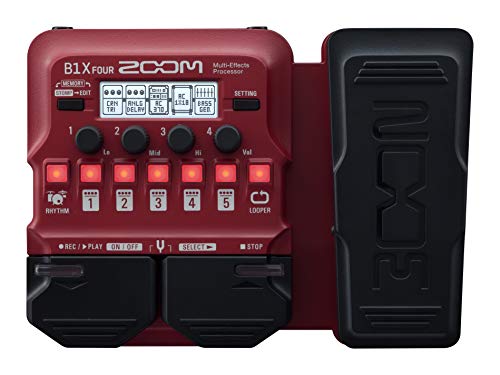
The B1X Four delivers a broad suite of over 70 bass effects and 9 amp models, enabling a wide range of tonal options. It includes a 30-second looper for layered performances and a downloadable Zoom Guitar Lab software suite for Mac and Windows, which enhances editing and patch management. The unit is battery-powered for portability, making it suitable for practice, rehearsals, or small gigs where AC power isn’t available.
BOSS GT-1B Compact Bass Effects Processor

The GT-1B packs a vast array of pro-grade, bass-optimized amps and effects into a compact chassis. Built on BOSS’s flagship sound engine, it provides a broad tonal library for both stage and studio. Its streamlined interface helps you dial in sounds quickly, and the onboard control switch plus an expression pedal allow live real-time tweaking of multiple effects, making it ideal for players who value fast access to tonal changes on the fly.
Zoom B6 Bass Multi-Effects Processor

The B6 expands the Zoom platform with a touchscreen-based interface, four DI boxes, and an integrated A/B switcher for seamless instrument switching. With 100+ built-in effects, multiple amp models, and impulse responses (IRs), it supports direct recording and versatile live setups, including easier comparison and routing between bass tones and direct recording paths.
Zoom B1 Four Bass Multi-Effects Pedal

The B1 Four combines more than 70 bass effects with a 9-amp-model toolbox, a global tone stack, and a 5-effect chain that you can use simultaneously. This configuration supports practice, songwriting, and live performance, with convenient access to a broad tonal palette and robust sounds from a compact unit.
BOSS ME-90B Bass Multi-Effects

The ME-90B offers an all-in-one approach with 61 effects drawn from the BOSS bass effects library and 10 onboard AIRD amp models. Its user-friendly, knob-based interface mirrors traditional stompbox workflows, which can streamline live sound checks and quick patch changes during performances. The integrated design supports both practice and touring scenarios with reliable tone shaping.
Buying Guide: Key Purchase Considerations
- Tonality and Amp Modeling: Look for a broad range of bass-optimized amp simulations and effects. If you play across genres, a library that includes overdrives, distortions, choruses, delays, and filters will be most versatile.
- Signal Path and DI Options: Models with built-in DI boxes and multiple outputs (like the B6) simplify direct-to-PA or recording workflows and help preserve tone in live settings.
- Programmability and Ease of Use: A clear user interface, global tone controls, and quick-access knobs or pedals enable fast patch changes during practice or performance. Touchscreen interfaces can accelerate patch exploration, while familiar stompbox-style controls ease adoption for beginners.
- Looper and Rhythm Tools: A dedicated looper and built-in rhythms are valuable for practice, song construction, and live performances where quick ideas need to be captured.
- Portability vs. Studio Power: Battery-powered units are ideal for practice and small gigs without outlets, but power adapters often support more stable, noise-free performance in studio environments.
- Expansion and Software: Check for compatible software suites (e.g., ZOOM Guitar Lab) for patch editing, library updates, and patch organization. Accessories like additional headphones or monitors can influence how you use the unit in different settings.
- Durability and Reliability: For live stages, rugged construction, reliable footswitches, and a robust expression pedal can extend the life of your gear and reduce on-stage failures.
Comparative Perspectives
For beginners, compact units like the GT-1B or ME-90B provide intuitive layouts, dependable tones, and ready-to-play presets that minimize setup time. Intermediate players may prefer the B6 or B1X Four for their flexible routing, DI options, and substantial effect libraries, which support advanced sound design and studio-like recording setups. Advanced performers often gravitate toward models with larger control surfaces, touchscreen interfaces, or deeper editing software that enable precise, stage-ready tone sculpting and broad routing possibilities.
Usage Scenarios
- Practice rooms: Battery-powered units like the B1X Four or B1 Four allow quiet, distraction-free practice.
- Live gigs: DI-capable processors with robust amps and effects, such as the B6 or ME-90B, help maintain tone through a bass rig and PA system.
- Studio recording: Models with multi-IRs, USB/audio interface functionality, and extensive patch libraries support direct-tracking workflows.
- Creative exploration: Multi-effect chains with looper capabilities promote experimental jams and layering ideas without additional gear.
Each option provides substantial tonal versatility and can be selected based on desired workflow, portability, and live performance needs. The finalists cover a range from compact, entry-point devices to feature-rich performers suited for professional settings.