Choosing the right bass effects processor can simplify live rigs and studio setups alike. This guide reviews five top picks, spanning compact multi-effects pedals to all-in-one floor units. Each option is evaluated for sound quality, versatility, user interface, and value, helping players compare amp modeling, effects variety, and onboard features across a range of budgets and needs.
| Product | Key Strength | Notable Feature |
|---|---|---|
| Zoom B6 | Advanced effects, DI, and touchscreen control | 100+ effects with 4 DI boxes |
| Zoom B1X Four | Extensive effects and looper in a pedal format | 70+ effects, 9 amp models, 30-sec looper |
| BOSS GT-1B | Professional-grade tone in a compact unit | Pro tone engine; bass-optimized amps |
| BOSS GX-10 | GX-100 sound engine in a portable design | 32 amp types, 170 effects; 24-bit processing |
| VALETON GP-200 | Extensive preset library with robust I/O | 240+ effects, 256 presets, FX loop |
Below, five options are explored in detail. Each product section includes a direct browse link to Amazon, a representative image, and a concise summary of its features as they relate to bass players seeking versatility, ease of use, and solid tone shaping.
Zoom B6 Bass Multi-Effects Processor

The Zoom B6 combines a comprehensive bass-centric engine with a versatile input/output set, including four DI boxes for direct-in performance versatility. It features a touchscreen interface that simplifies effect routing, amp modeling, and cabinet simulation. Built-in effects cover a wide range of styles, making it suitable for studio tone design and on-stage tones. The B6 supports seamless instrument switching and an intuitive workflow for dialing in complex signal chains without compromising signal integrity. It serves players who want depth in tone without sacrificing portability.
Zoom B1X Four Bass Multi-Effects Processor
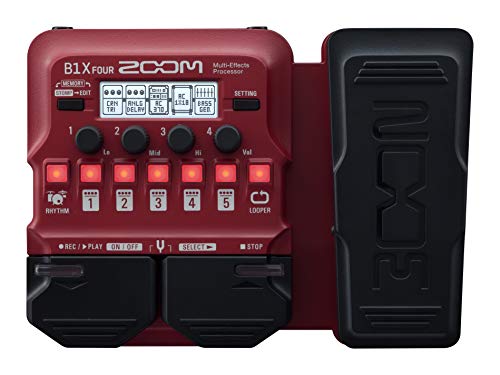
The B1X Four offers a robust cart of effects with 71 built-in bass effects and 9 amp models. It includes a 30-second looper for phrase work and rhythm patterns, making it well-suited for practice, songwriting, and small-venue gigs. A free download of Zoom Guitar Lab software expands editing capabilities on Mac and Windows. The unit is battery-powered, contributing to portability for rehearsals away from outlets. Its balance of effects depth and straightforward operation helps players craft convincing bass tones across genres.
BOSS GT-1B Compact Bass Effects Processor

The GT-1B delivers a broad array of pro-grade bass tones within a compact chassis. It runs on BOSS’s flagship sound engine, offering a large selection of bass-optimized amps and effects suitable for stage and studio work. The streamlined interface supports quick dialing, while the onboard control switch and an expression pedal enable real-time effect adjustments during performances. This unit is favored by players who want reliable, tour-ready tone with a simple but deep editing surface.
BOSS GX-10 Compact Guitar & Bass Processor

The GX-10 brings the GX-100 sound engine into a portable, travel-ready form. It emphasizes high-resolution audio with 24-bit AD/32-bit DA conversion and 48 kHz sampling, ensuring transparency across a wide range of amp models and effects. With 32 amp types and a comprehensive effects suite, it provides a versatile platform for live rigs and home studios. The color touchscreen and multi-mode footswitches simplify editing and real-time control, appealing to players who value precise tone shaping on the go.
VALETON GP-200 Multi-Effects Guitar/Bass Pedal

The GP-200 stands out with an expansive library of 240+ built-in guitar, bass, and acoustic effects, backed by 140 amplifier and cabinet simulations. It supports 20 third-party IRs, a 4.3-inch color LCD, and 256 presets. With 11 simultaneous effect blocks, an FX loop, MIDI I/O, and USB for recording, the GP-200 can serve as a central hub for complex signal chains. Its broad feature set is suited for players who want deep customization and the ability to route multiple effects in a single performance path.
Buying Guide: Key Purchase Considerations
- Sound engine and tone quality: Look for a processor with amp modeling tuned for bass, and a diverse range of effects including compression, drive, modulation, and delay/reverbs that suit bass frequencies without muddying the low end.
- Effect count and routing flexibility: A larger effect library is valuable, but consider how easily you can chain multiple effects and manage signal routing, especially with multi-output setups or direct-to-PA needs.
- Input/Output options: DI outputs, XLR if available, USB audio interface capabilities, and MIDI control expand how you integrate the unit with amplifiers, interfaces, and other gear.
- Live performance features: Real-time control, expression pedal responsiveness, footswitch layout, and durable chassis matter for on-stage reliability.
- Editing workflow: A user-friendly interface or touchscreen can speed up tonal adjustments in rehearsal or studio sessions. Software editors can extend capabilities beyond the hardware’s preset banks.
- Portability vs. power: Battery-powered units offer flexibility for practice away from outlets, while larger processors may prioritize a broader feature set and higher-quality processing.
- Presets and expansion: A broad preset library and support for third-party IRs or downloadable patches can dramatically expand your tonal palette over time.
- Compatibility and future-proofing: Check software updates, USB, and MIDI compatibility to ensure the device remains usable as your gear evolves.
How To Choose For Your Style
If you prioritize ultra-deep customization and studio-grade tone in a compact package, models like the BOSS GX-10 and GT-1B offer robust engines with reliable tone shaping and real-time control. For touring players needing direct DI versatility and a broader effects catalog, the Zoom B6 provides extensive I/O and high-end processing. Those seeking a very large sound library with advanced IR capabilities may prefer the VALETON GP-200, while the Zoom B1X Four and similar pedals offer a balanced mix of versatility, portability, and price.
Usage Scenarios
- Live performance: Focus on robust tone consistency, reliable footswitches, and straightforward editing in challenging stage environments.
- Home studio: Prioritize a friendly interface, flexible routing, and integration with a computer DAW via USB or audio interface.
- Practice and jamming: Battery-powered operation, built-in rhythms, andLooper functions can enhance daily practice sessions.
- Recording: Look for transparent amp sims and high-quality cabinet IRs to capture bass tones cleanly in the mix.