The best ASMR microphone with ears for realistic binaural recordings is the Bit Trade One BIMIMI, which includes an artificial ear. For a fuller stereo setup, the TONOR bundle provides two microphones and an audio interface. The ZealSound K66 is better for straightforward desk or mobile recording, while the Blue Yeti suits creators who also record podcasts, streams, or other content.
| Microphone | Best for | Standout feature |
|---|---|---|
| Bit Trade One BIMIMI | Ear-based binaural ASMR | Artificial ear |
| TONOR ASMR Bundle | Stereo recording setup | Two microphones and mixer |
| ZealSound K66 White | Simple ASMR and voice recording | Noise reduction mode |
| ZealSound K66 Pink | Mobile and desktop recording | USB-C and Lightning adapters |
| Logitech Blue Yeti | Versatile creator use | Four pickup patterns |
Bit Trade One BIMIMI Binaural Microphone
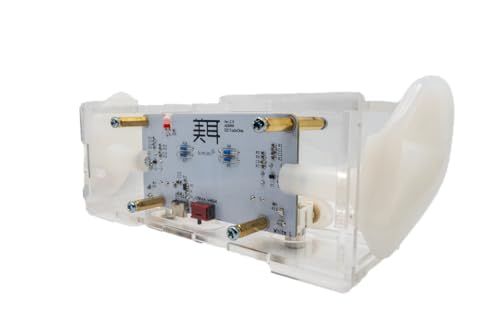
Best for: ASMR creators who specifically want an ear-shaped recording surface for binaural-style sounds. The BIMIMI includes an artificial ear designed to reproduce the inside of an ear, making it the closest match in this selection to a microphone with ears.
The manufacturer describes it as suitable for ASMR, podcasting, streaming, and recording. It is designed for a simple connection arrangement, with three cables required. Choose this if the ear component is central to your recording concept rather than simply wanting a general-purpose USB microphone.
Limitation: The provided product details do not specify device compatibility or recording controls. Check the connection requirements for your planned setup before buying.
TONOR Dual-Microphone ASMR Bundle

Best for: Creators who want to record left-right stereo audio using a paired microphone setup. The bundle includes two sensitive condenser microphones, an audio interface, and furry windscreens. Its microphones feed the left and right channels, and the sound card has controls for adjusting their balance.
This is a strong alternative to a single artificial-ear microphone when the priority is an adjustable stereo arrangement. The included USB cable has USB and Type-C connections, and the listed compatibility includes macOS, Windows, and Android. It is suitable for creators recording on a computer or phone.
Limitation: This bundle uses two microphones rather than an artificial ear, so it may not suit creators seeking an ear-shaped prop or recording surface.
ZealSound K66 White USB Microphone

Best for: ASMR beginners who want a plug-and-play microphone with convenient controls. The K66 has a cardioid condenser capsule, a gain knob, volume adjustment, mute control, and a noise reduction mode. Its listed 40 Hz–18 kHz frequency response is intended to capture whispers, tapping, brushing, and other subtle sounds.
Holding the mute button activates noise reduction mode, which the product description says helps reduce common sounds such as keyboard clicks and computer fan hum. Default mode is described as preserving a warmer, natural sound. USB-C and Lightning adapters are included for supported mobile-device connections, while listed computer compatibility includes Windows and Mac.
Limitation: Noise reduction is intended to reduce everyday distractions; it should not be treated as a replacement for a quiet recording space.
ZealSound K66 Pink ASMR Microphone

Best for: Creators who want the K66’s whisper-focused features in a pink finish and need a microphone described for both desk and mobile recording. Its sensitive condenser capsule and cardioid pickup pattern are specified for capturing soft sounds while helping limit background noise.
The microphone provides a noise reduction mode, mute and volume controls, echo control, and zero-latency monitoring according to its product name and features. The listed frequency range is 40 Hz–18 kHz. It is described as plug-and-play, with USB-C and Lightning adapters for iPhone, iPad, and other listed devices.
Limitation: This is a conventional microphone, not an ear-shaped binaural device. Choose the BIMIMI or a paired stereo setup if that physical format is essential.
Logitech Blue Yeti USB Microphone

Best for: Creators who want one microphone for ASMR alongside podcasts, streaming, meetings, or music recording. Its three-capsule array supports four pickup patterns: cardioid, omnidirectional, bidirectional, and stereo. That range lets users choose among different recording approaches without relying on a single fixed pattern.
The Blue Yeti connects over USB and includes access to Blue VO!CE software effects. It is a flexible choice for creators who expect to produce several types of content, rather than focusing only on binaural ASMR. Select stereo or another suitable pattern for the recording arrangement you intend to use.
Limitation: It does not include an artificial ear. Choose a purpose-built binaural microphone if ear-shaped recording is the main requirement.
Buying Guide: How To Choose An ASMR Microphone With Ears
Do you need an actual artificial ear?
If “with ears” means a physical ear-shaped surface for close-up binaural recording, the Bit Trade One BIMIMI is the direct match in this list. If you mainly want a spatial left-right effect, a two-microphone stereo kit or a microphone with stereo pickup may be a better fit. Confirm the design meets your recording plan before choosing.
Should you choose a stereo kit or a USB microphone?
A paired kit such as the TONOR provides two microphones and controls for balancing left and right channels. A USB microphone such as the K66 or Blue Yeti is a simpler option for a single-microphone desk setup. Compare the included connections and controls with your computer or mobile workflow.
How important is background-noise control?
Quiet ASMR recordings can make keyboard, fan, and room sounds noticeable. The ZealSound K66 offers a switchable noise reduction mode, while cardioid pickup on the listed microphones is intended to focus capture in a particular direction. These features do not eliminate the need to consider room noise and microphone placement.
What should mobile creators check?
Look for explicit device and adapter details. The K66 product listings specify USB-C and Lightning adapters and name supported computer and mobile-device categories. The TONOR bundle lists Windows, macOS, and Android compatibility. Check your device’s port and recording workflow before ordering.
Frequently Asked Questions
What does an ASMR microphone with ears do?
An ear-shaped microphone or artificial-ear setup provides a surface for recording sounds in a binaural-style arrangement. The BIMIMI listing specifically says it includes an artificial ear.
Which option is best for binaural ASMR?
The BIMIMI is the most direct choice when an artificial ear is required. The TONOR bundle is an alternative for adjustable left-right stereo recording with two microphones.
Can a regular USB microphone record ASMR?
Yes. The K66 and Blue Yeti are listed for voice or ASMR-related recording uses. They do not include artificial ears, so they serve a different purpose from a dedicated ear-shaped setup.
Is noise reduction useful for whisper recordings?
It can help reduce some everyday background sounds, according to the K66 product description. It does not guarantee a silent recording, so a quieter room remains useful.